Blog
10 Modern Fashion Trends and Their Fascinating Histories


Fashion trends rarely appear overnight. The pieces that dominate American closets today often carry decades of history, shaped by advances in technology, shifts in culture, changing workplaces, entertainment, and evolving consumer preferences.
An oversized blazer, a pair of everyday sneakers, or comfortable cargo pants may look like modern creations, but each traces its roots to earlier eras and was originally designed to solve a practical need. Over time, designers have refined these garments through new fabrics, updated silhouettes, and contemporary styling while preserving the core ideas that made them successful.
Their ability to adapt has allowed them to remain relevant as fashion and society continue to evolve. Americans are also becoming more deliberate about what they buy. The U.S. Census Bureau reports that clothing and clothing accessory retail remains one of the country’s largest consumer spending categories, while consumer research from Circana shows shoppers increasingly prioritize comfort, quality, fit, and versatility over short-lived trends.
This shift has encouraged consumers to invest in pieces that combine timeless design with everyday functionality rather than chasing every seasonal fad. The following fashion trends illustrate how enduring garments evolve alongside society.
Each reflects a blend of innovation, practicality, and self-expression, demonstrating that the styles with the greatest staying power are often those that successfully balance their historical roots with the changing expectations of modern consumers.
Oversized Blazers Started as Menswear Before Becoming a Wardrobe Essential
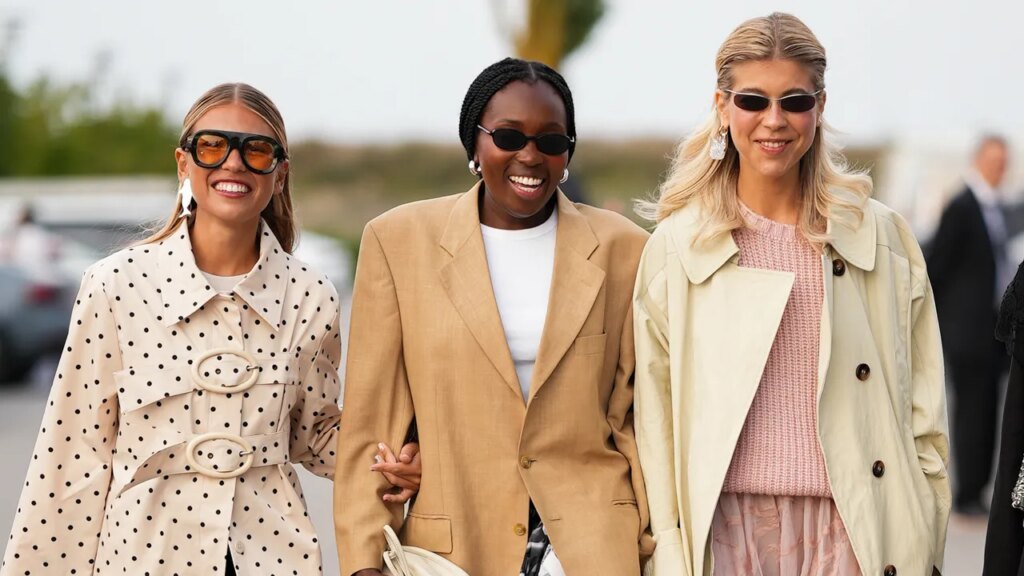
The oversized blazer represents one of fashion’s most successful transformations, as it moved beyond its traditional tailoring roots to become a versatile wardrobe staple. Early versions developed through menswear, where structured jackets emphasized sharp shoulders, defined proportions, and professional presentation.
Traditional blazer construction relied on techniques such as internal lining, shoulder shaping, and structured fabrics to create a polished silhouette. Modern oversized versions maintain many of those elements while increasing room through wider sleeves, longer lengths, and relaxed cuts.
This change reflects a broader consumer shift toward clothing that supports movement and comfort without losing visual structure. According to the 2024 National Retail FederationConsumer Trends Report, shoppers increasingly prioritize versatile pieces that work across multiple settings, especially garments that transition between professional and casual environments.
A modern oversized blazer demonstrates that balance by pairing with jeans, dresses, shorts, or tailored trousers. The trend succeeds because it preserves the authority of traditional tailoring while adapting to contemporary lifestyles, where a single garment often needs to serve multiple purposes throughout the week.
Sneakers Evolved From Athletic Gear Into Everyday Fashion
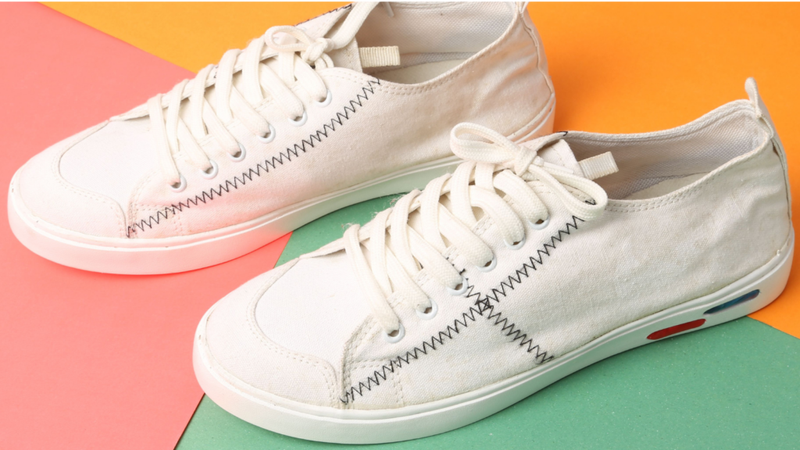
Image Credit: Lappen Fashion via Pexels
Sneakers began as specialized footwear created to improve athletic performance, yet advances in materials and changing lifestyles transformed them into one of the most influential categories in modern fashion. Early athletic shoes focused on practical features such as rubber soles, lightweight construction, and improved grip.
Over time, manufacturers introduced cushioning systems, breathable fabrics, and flexible materials that increased comfort during physical activity. Those same performance benefits attracted everyday consumers who wanted footwear capable of handling work, travel, errands, and social occasions.
The rise of remote work and casual workplace environments further expanded sneaker adoption across America, replacing traditional expectations that formal shoes belonged in professional settings. Today, sneakers demonstrate how functional innovation can influence fashion direction. A well-designed sneaker succeeds because it solves practical problems while allowing consumers to communicate personality through color, shape, and styling choices.
High-Waisted Jeans Rose From Practical Workwear to Modern Favorite
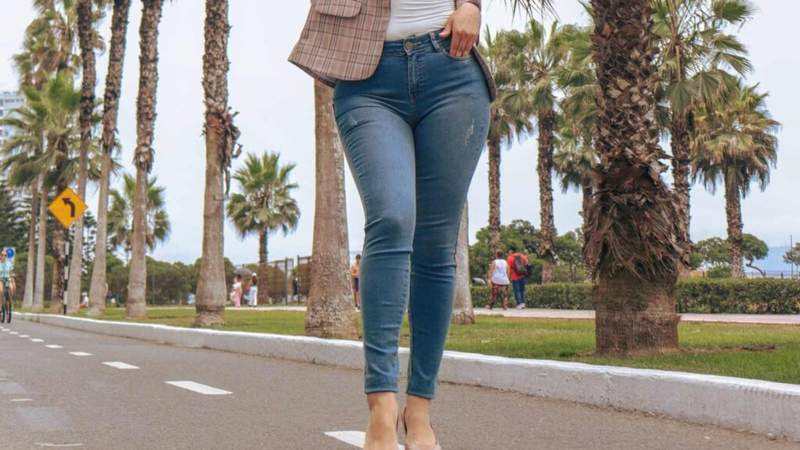
Image Credit: Jorge Zaldívar Marroquín/Pexels
High-waisted jeans have experienced multiple comebacks because their design combines visual structure with everyday practicality. The higher waistband originally served a functional purpose, especially in workwear, by providing greater coverage and helping garments stay securely positioned during movement.
Denim itself became popular because its cotton twill construction created durability while maintaining flexibility. Modern high-waisted jeans use improved stretch fibers, refined stitching techniques, and updated silhouettes to increase comfort compared with earlier versions. Consumer interest in this style reflects a larger movement toward clothing that provides both function and confidence.
High-waisted jeans now appear in straight-leg, wide-leg, skinny, and relaxed fits, allowing consumers to choose different proportions while keeping the defining feature of a higher rise. Their continued popularity demonstrates how classic clothing survives when construction improvements meet changing preferences.
Cargo Pants Made the Leap From Military Uniforms to Street Style
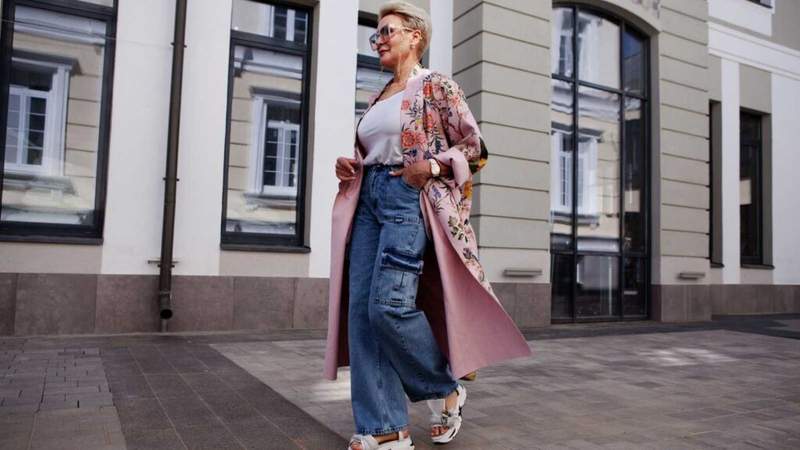
Image credit: Anna Zhukkova via shutterstock
Cargo pants began as military clothing designed around efficiency, storage, and durability. Their defining feature, the large side pocket, served a practical purpose by allowing soldiers to carry equipment without restricting movement.
The original construction emphasized strong fabrics, reinforced seams, and comfortable proportions suitable for demanding environments. Fashion later adopted cargo pants because those same functional details created a distinctive visual identity.
Over different decades, the silhouette shifted among oversized streetwear, slimmer casual designs, and modern tailored interpretations. Modern cargo pants often use lighter fabrics, cleaner pocket placement, and more refined shapes that make them easier to wear beyond casual settings.
Their history demonstrates how clothing designed for specific tasks can eventually become part of everyday wardrobes when consumers recognize the value of functionality, comfort, and adaptability.
The Little Black Dress Became a Symbol of Timeless Simplicity
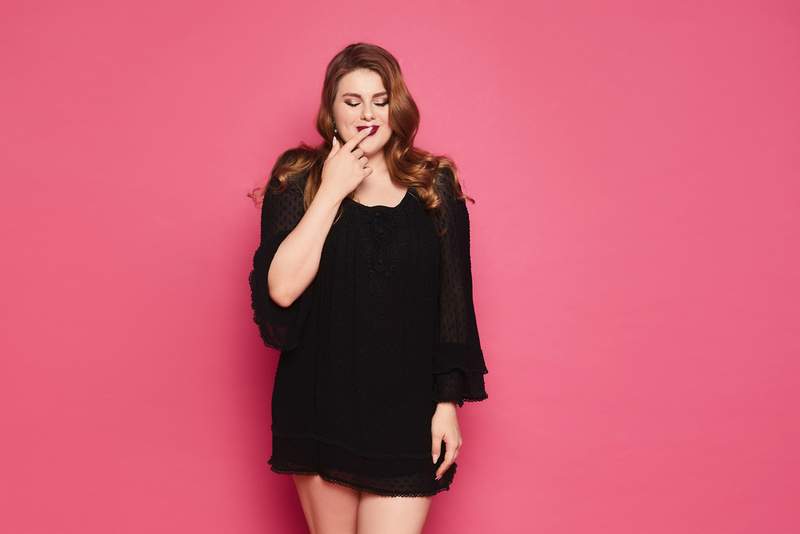
Photo Credit: Innarevyako/Deposit Photos
The little black dress became one of fashion’s most enduring concepts because it transformed a simple color choice into a lesson in versatility, proportion, and design efficiency. Black clothing existed throughout history for practical, cultural, and formal reasons, yet the modern interpretation of the little black dress gained attention because it offered a reliable solution for multiple occasions.
Its strength comes from visual balance: a dark color creates a streamlined appearance, while a simple silhouette allows accessories, footwear, and personal styling choices to influence the final look. The concept reflects a broader principle in clothing design where fewer decorative elements can increase adaptability.
The little black dress continues to survive because it fits this mindset. A single well-constructed black dress can move between professional events, dinners, celebrations, and formal occasions through changes in texture, layering, and accessories. Its history demonstrates how simplicity can become one of fashion’s most powerful design strategies.
Matching Knit Sets Grew Out of Comfortable Loungewear
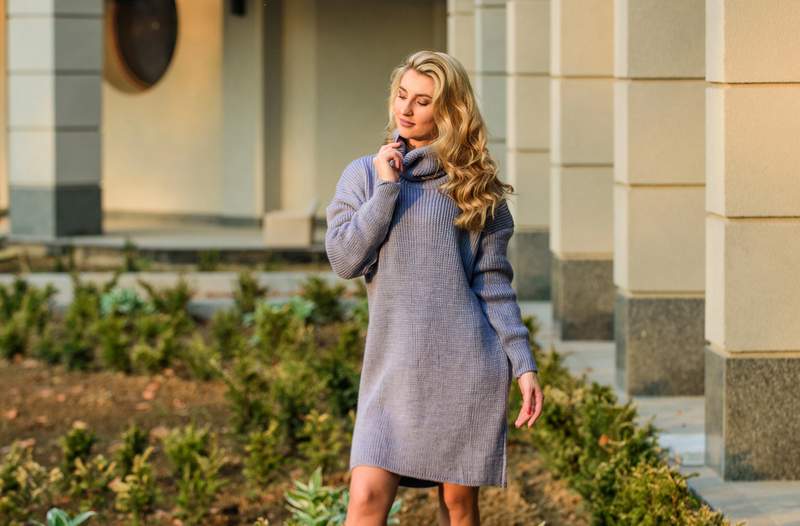
Photo Credit: Stetsik/Deposit Photos
Matching knit sets represent the intersection of comfort, coordination, and modern lifestyle changes. Their popularity grew through earlier forms of leisurewear, where soft fabrics and relaxed silhouettes allowed people to move comfortably at home and during casual activities.
Knit construction gives these garments their distinctive appeal because loops of yarn create stretch, breathability, and flexibility compared with many woven fabrics. As consumer lifestyles changed, coordinated sets moved beyond private spaces and entered everyday wardrobes.
The increase in remote and hybrid work accelerated interest in clothing that provides comfort without appearing unprepared for public settings. Modern knit sets now appear in refined fabrics such as cashmere blends, cotton knits, and lightweight technical materials, allowing them to transition between errands, travel, casual workplaces, and social occasions.
Their continued popularity demonstrates how fashion adapts when consumers prioritize garments that support both appearance and daily routines.
Wide-Leg Trousers Returned After Decades of Changing Silhouettes
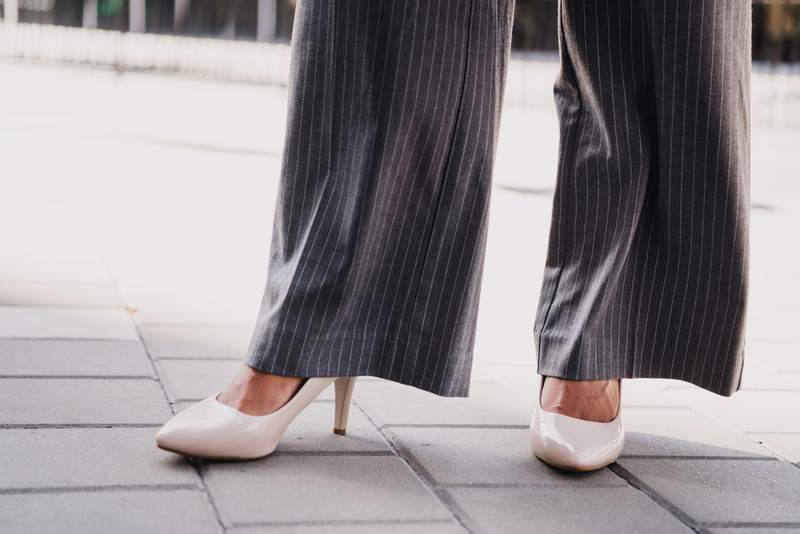
Photo Credit: Deagreez1/Deposit Photos
Wide-leg trousers have repeatedly returned because their design creates a strong visual statement while offering practical movement and comfort. The silhouette features increased fabric volume through the leg, creating a different proportion compared with narrow or fitted styles.
Historically, wide trousers appeared in various forms because loose construction allowed easier movement and accommodated a range of activities. Modern versions use improved tailoring techniques, lighter fabrics, and carefully placed seams to prevent excessive bulk while maintaining the relaxed shape consumers appreciate.
Wide-leg trousers demonstrate how changing proportions can reshape an entire outfit. Pairing them with fitted tops creates visual balance, while oversized combinations produce a more relaxed silhouette. Their revival shows that fashion cycles often revisit older ideas while adjusting construction details to match current preferences.
Chunky Loafers Borrowed Their Roots From Classic Dress Shoes
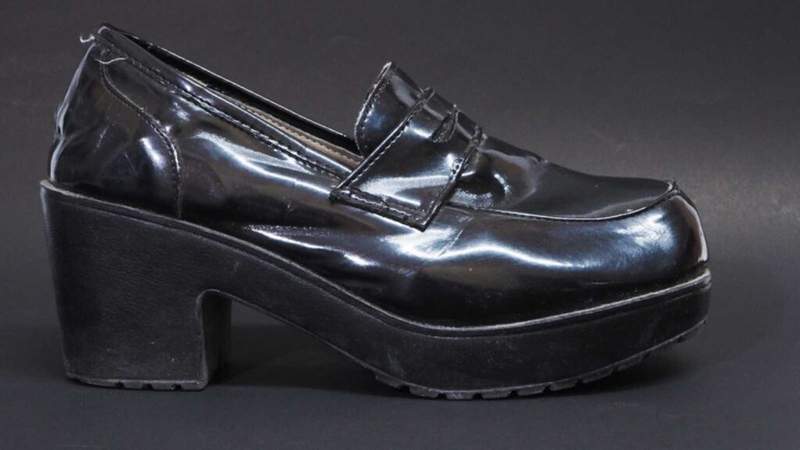
Image Credit: Grapherholic/Shutterstock
Chunky loafers gained popularity by updating a traditional footwear design with exaggerated proportions and modern construction. The classic loafer developed as a slip-on shoe, recognized for its convenience, clean lines, and structured appearance.
Modern chunky versions maintain the easy slip-on design while increasing sole thickness, adding stronger shapes, and creating more visual impact. This change reflects a broader movement toward footwear that combines comfort with personality.
Thick soles can provide additional cushioning and durability, making the shoe practical for longer wear than many delicate dress styles. Chunky loafers work because they bridge multiple categories: they appear polished enough for professional settings while remaining comfortable enough for daily activities.
Their popularity illustrates how small construction changes can completely reshape the perception of a classic garment.
Denim Jackets Stayed Relevant Through Every Fashion Generation
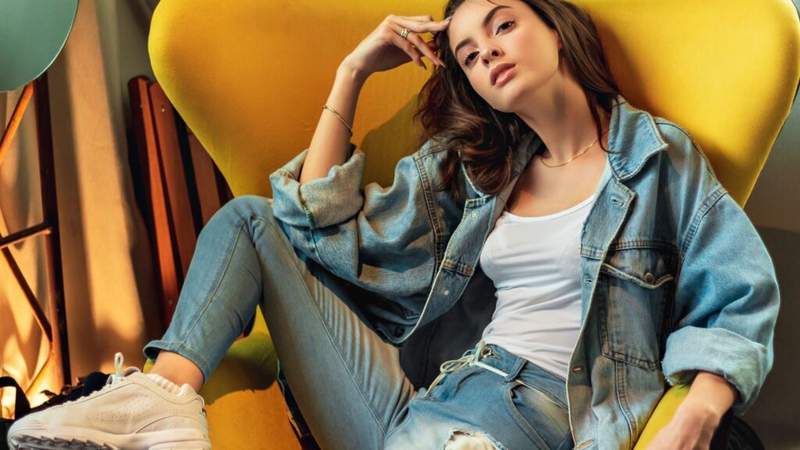
Photo Credit: Marcelo Chagas/Pexels
Denim jackets have remained popular because they combine durability, adaptability, and cultural recognition. Denim’s tightly woven cotton twill structure creates strength while allowing the fabric to soften with repeated wear, making it a material that often improves through use.
Early denim jackets developed through workwear traditions because their rugged construction supported demanding physical tasks. Over time, the garment moved into casual wardrobes because consumers appreciated its ability to layer easily across seasons.
The jacket’s simple structure, front buttons, chest pockets, sturdy seams, and recognizable texture allow it to work with dresses, trousers, skirts, and casual outfits. Denim jackets benefit from this shift because they often remain wearable for years rather than depending on short trend cycles.
Their history proves that garments with strong construction and practical design often maintain relevance across generations.
Athleisure Blended Performance Clothing With Everyday Wear
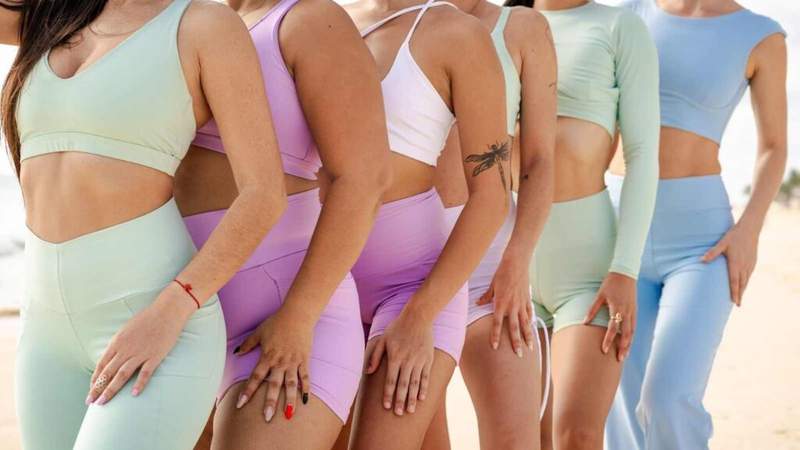
Image Credit: FbyF Studio/Pexels
Athleisure represents one of the biggest shifts in modern clothing because it changed the expectation that athletic garments belonged only inside gyms or sports environments. The movement developed through improvements in performance fabrics, including moisture-wicking materials, stretch fibers, breathable knits, and lightweight constructions originally designed for physical activity.
These technical features solved everyday clothing problems by improving comfort, mobility, and temperature control. Leggings, performance tops, sneakers, and hoodies gradually moved into daily wardrobes as consumers searched for clothing that could support commuting, errands, travel, exercise, and relaxation without requiring multiple outfit changes.
Athleisure succeeded because it connected advanced textile technology with practical lifestyle needs. A pair of stretch leggings, for example, uses fabric engineering designed for movement but now serves as an everyday wardrobe piece when paired with sweaters, jackets, or casual footwear.
The trend demonstrates how innovations created for specialized purposes can eventually reshape mainstream fashion.
Key Takeaways

Image credit: designer491 via pexels
-
Fabric technology plays a major role in turning functional clothing into everyday fashion.
-
Consumers increasingly value versatility, comfort, durability, and individuality when purchasing clothing.
-
Classic garments remain relevant because they adapt to new lifestyles and preferences.
-
Understanding fashion history helps explain why trends return and how older designs gain fresh appeal.
Disclaimer: This list is solely the author’s opinion based on research and publicly available information. It is not intended to be professional advice.
Like our content? Be sure to follow us
This article, 10 Modern Fashion Trends and Their Fascinating Histories first appeared on The Curvy Fashionista and is written by Sylvia Cooper.
Never miss the latest in plus size fashion news, trends, and conversations! Sign up for Curvy Fashionista Newsletter!