
Blog
5 Home Decor Trends That Will Feel Dated by the End of the Year

As with most things these days, styles change on a whim. One minute a specific aesthetic or kind of look is widely accepted as a popular choice. The next day, it starts to fade completely into the past.
People invest a lot of time, effort, money, and emotion into viral decorating ideas. They often find that the trend loses all its appeal and warm charm next season. When you want a space to speak to your true personality, leaning on professionals is a good approach. Danielle Castagna is a designer, founder, and interiors expert at Level Frames. She suggests looking past fast fads and focusing on what makes a house truly beautiful. She shares several helpful points on which fads will not stick around next year.
The Problem With Pattern Drenching
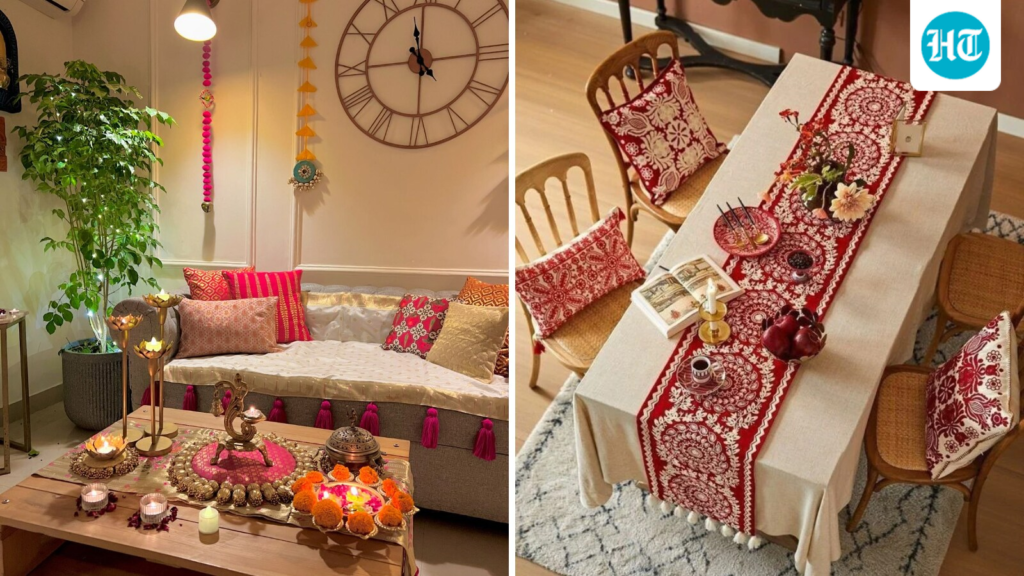
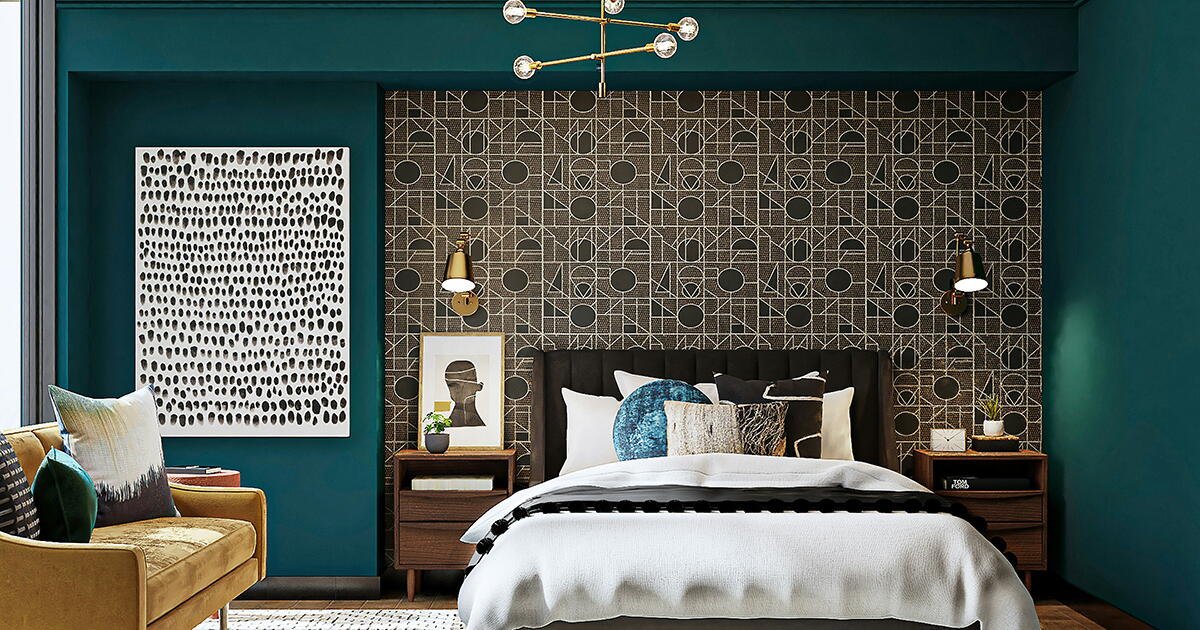
Pattern drenching means covering a room in single repetitive patterns. This trend involves making the wallpaper and upholstery identical. Why have an accent wall when you can also have accent curtains, tablecloths, printed cotton pillows, and heavily designed rugs?
“Pattern drenching has become one of the biggest statement trends in interiors recently, but fully covering a space in bold prints can quickly start to feel overwhelming,” Castagna explains. “Trends like this often date faster because they leave very little room for flexibility as interior styles evolve.”
Instead of designing the entire area with a single motif, Danielle recommends keeping the foundational space as neutral as possible. Let other items and vintage pieces have their spotlight too. “A much more timeless way to introduce visual interest is through framed art prints or statement posters that you can mix and match,” Castagna advises. “These give you the same personality and impact in a room without committing every surface to one specific look, and they’re also much easier to refresh as your interior preferences shift.”
Rethinking Curved and Wave-Style Furniture

(Courtesy of Hutomo Abrianto)
The furniture market has been heavily saturated with rounded silhouettes over the past few years. Kidney bean sofas and deeply curved accent chairs constantly populate any design page you read online. “Rounded sofas and wave-style furniture have also surged in popularity in recent months,” Castagna observes. “This is a prime example of a social media-driven trend that might look good on Instagram as a unique decor feature. In reality, it often feels exactly like a trendy aesthetic more suited to a fleeting social media post than a real-life home.”
These shapes often sacrifice much-needed surface area for a curved visual shape with very little payoff. They require a bit of extra floor space and can quickly look wrong in a highly structured home.
“As trends already start to move on, this type of furniture could leave your home feeling stuck in the past,” Daniella warns. “People are starting to lean more toward mixing statement pieces, like art and rugs, with simpler, more timeless furniture instead. This combination gives spaces character without feeling too trend-focused.”
Natural Materials
Heavy woven textiles and large macrame pieces have seen a massive spike in popularity this year. While embracing an organic culture is great, these textures come with big maintenance requirements. Many homeowners simply cannot make time to care for them by hand.

(Courtesy of Harsha Fonsi)
“Textured wall hangings have been hailed as the solution to boring walls, but for me personally, they’re more dust traps than effective decor and can feel disconnected from the rest of the interior,” Castagna says.
She notes that a classic approach, such as displaying family photos, usually provides a much more polished result for any generation.
“Framed artwork tends to give a cleaner finish while still elevating visual appeal,” Castagna shares. “You have to be particularly careful with wall decor to avoid creating a cluttered feel, and tasteful artwork or other framed items are often the best way to achieve a timeless finish.”
Architectural Style
Color capping occurs when a single heavy paint color dominates an entire room. Homeowners paint the baseboards, walls, doors, and ceiling the exact same shade to create a monochromatic look. It completely erases the natural light and architectural definition of the space.
“Color capping will be the next ‘all-neutral everything’, after the now entirely rejected ‘Milennial gray’, where one color dominates an entire room or home and feels so overdone,” Castagna explains. “This is a trap people often fall into when getting carried away with matching everything in their decor choices.”
A diverse color palette using soft neutrals creates a much healthier visual balance.
“Rooms feel more lived-in and timeless when there’s a mix of tones and materials,” she advises. “You can still add pops of color through artwork or soft furnishings to keep things fresh without overdoing it.”
Fading Seasonal Pastels and Mint Green

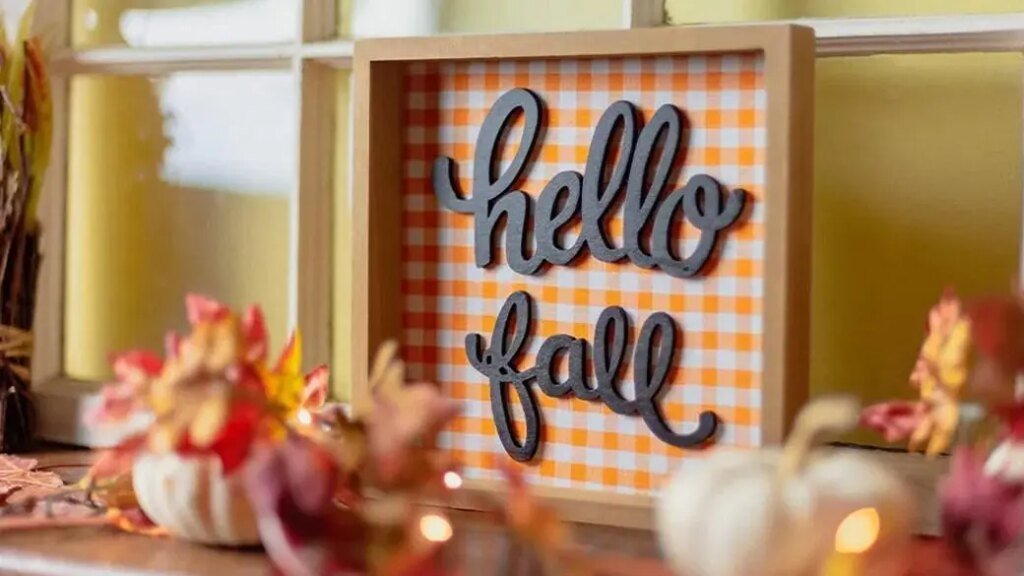
It is very tempting to decorate to correspond with whatever season is currently happening. Pastel colors look great in warmer weather, while earthier tones feel more comfortable once it starts to get chilly. The problem is that the fall season always comes around to replace the summer.
“Mint green made a big comeback in spring and summer interiors this year, after trending in the Art Deco era and again around 2010 during a ‘Millennial Mint’ revival,” Castagna notes. “It’s easy to get swept up in trending seasonal styles, but I’m sure many homeowners will end up regretting picking up the paintbrush come fall and holiday season.”
She suggests keeping bold seasonal colors entirely off the walls. You can opt instead for unlacquered brass hardware or swap-out artwork that adds a highly personal touch.
“Using mint green or other vibrant pastels in small doses tends to work much better than fully decorating a room around it,” Castagna concludes. “Adding touches around the home, like framed prints or ceramics, makes it much easier to update your space with the changing seasons.”
Take It From Interior Designers: Some Trends Are Just Not Worth It
Fast-moving trends rarely account for long-term comfort or practical maintenance. Use smaller pieces of trendy decor, but keep the foundations timeless.
This way, you will not have to go through an exhaustive redecorating process every time a new fad is published. Your interior will keep your interest, and it brings an enduring charm that allows you to live comfortably for decades.