

Blog
Beyond Acne: How Personalized Skin Care Evolves With Patients Over Time

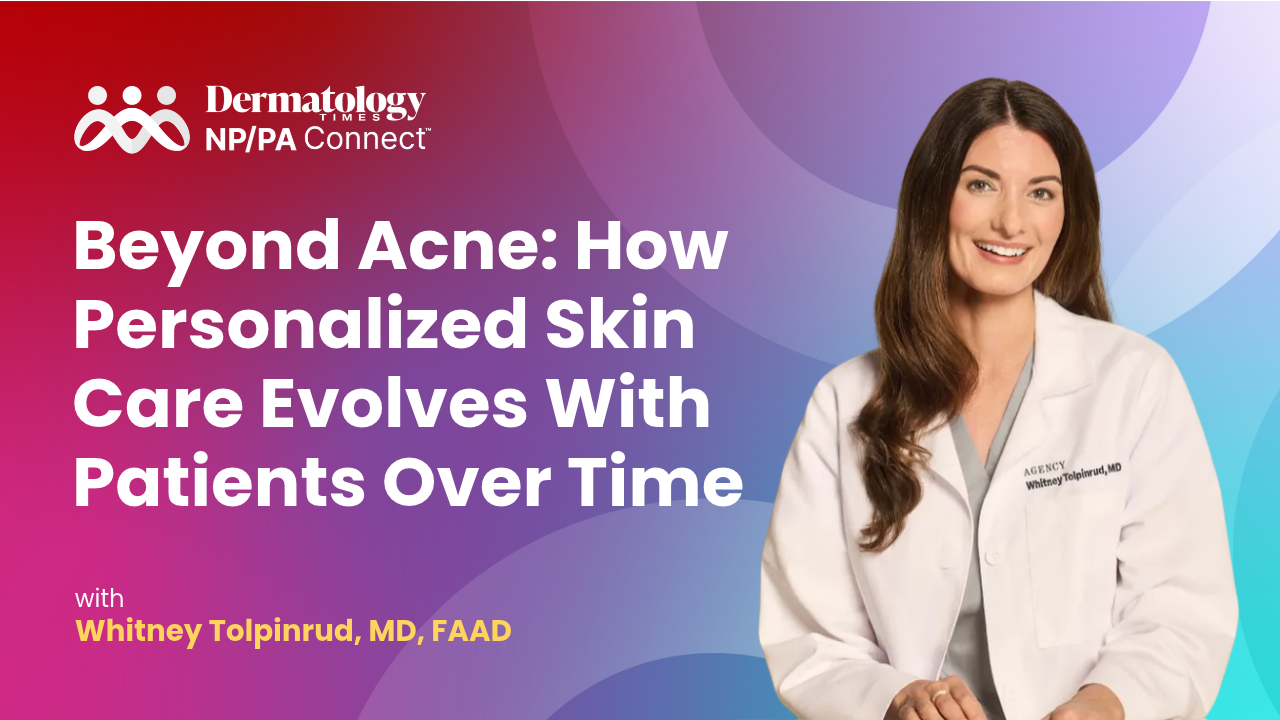
The broader goal, she explained, is to recognize that a patient’s needs at one stage of life may look different several years later.
From Treatment to Prevention
Tolpinrud said younger patients are increasingly thinking about their skin beyond treating an immediate concern. Patients in their 20s and early 30s may not yet have prominent visible signs of skin aging but are nevertheless interested in prevention and maintaining skin health over time.
“We’re able to meet patients where they are, no matter where they are in their skincare journey,” she said.
That range of patient needs is reflected across Curology and its sister brand,
Tolpinrud explained that maintaining the 2 sister brands allows each to address different patient populations, priorities, and stages of the skin care journey while sharing an emphasis on personalized care.
A Growing Focus on Skin Longevity
Through Agency, Tolpinrud said she has seen growing interest in the science behind skin longevity, with patients increasingly asking why specific ingredients are included in their regimens.
“They are starting to ask about that science. Why are you including this ingredient? What does it do for my skin?” she said.
According to Tolpinrud, Agency’s approach considers biological processes associated with skin aging, including inflammation, oxidative damage, DNA damage, protein degradation, and cellular repair.
Rather than requiring patients to navigate an increasingly crowded landscape of individual ingredients and products themselves, the goal is to create streamlined regimens incorporating ingredients that may address multiple processes.
“We want to make it simple for the patient, but try to maximize the efficacy,” Tolpinrud said.
This focus also reflects a broader shift from treating visible signs of aging after they develop toward patients taking an earlier, more preventive approach to their skin health.
Personalization Goes Beyond the Formula
Although customized topical formulations are central to the model, Tolpinrud emphasized that personalization extends beyond selecting ingredients.
Patients have continued access to clinicians as their treatment progresses, allowing regimens to be modified according to clinical response, tolerability, and changing goals. When appropriate, clinicians may also incorporate systemic acne therapies such as
That ongoing relationship can also help identify when virtual treatment is no longer appropriate. Certain skin findings or concerns may require an in-person examination, additional diagnostic evaluation, or care outside the platform.
Ultimately, Tolpinrud views personalized prescription skin care as a continuum rather than a static regimen.
Both are certainly grounded in patient first, customized personalization, customized prescription skincare, and then ongoing support and care, — Whitney Tolpinrud, MD, FAAD
For clinicians, that approach highlights an important consideration as personalized dermatology continues to expand: Successful treatment of the condition that initially brought a patient to care does not necessarily end the clinician-patient relationship. Instead, the next step may be reassessing what that individual patient wants—and needs—from their skin care.
References
- Curology. Custom Formula Rx: personalized acne treatment. Accessed October 9, 2026.
Curology Custom Formula - Agency. Longevity skincare, personalized and prescribed. Accessed October 9, 2026.
Agency Skin