
Blog
We’re skincare experts, here’s why young people should avoid face products

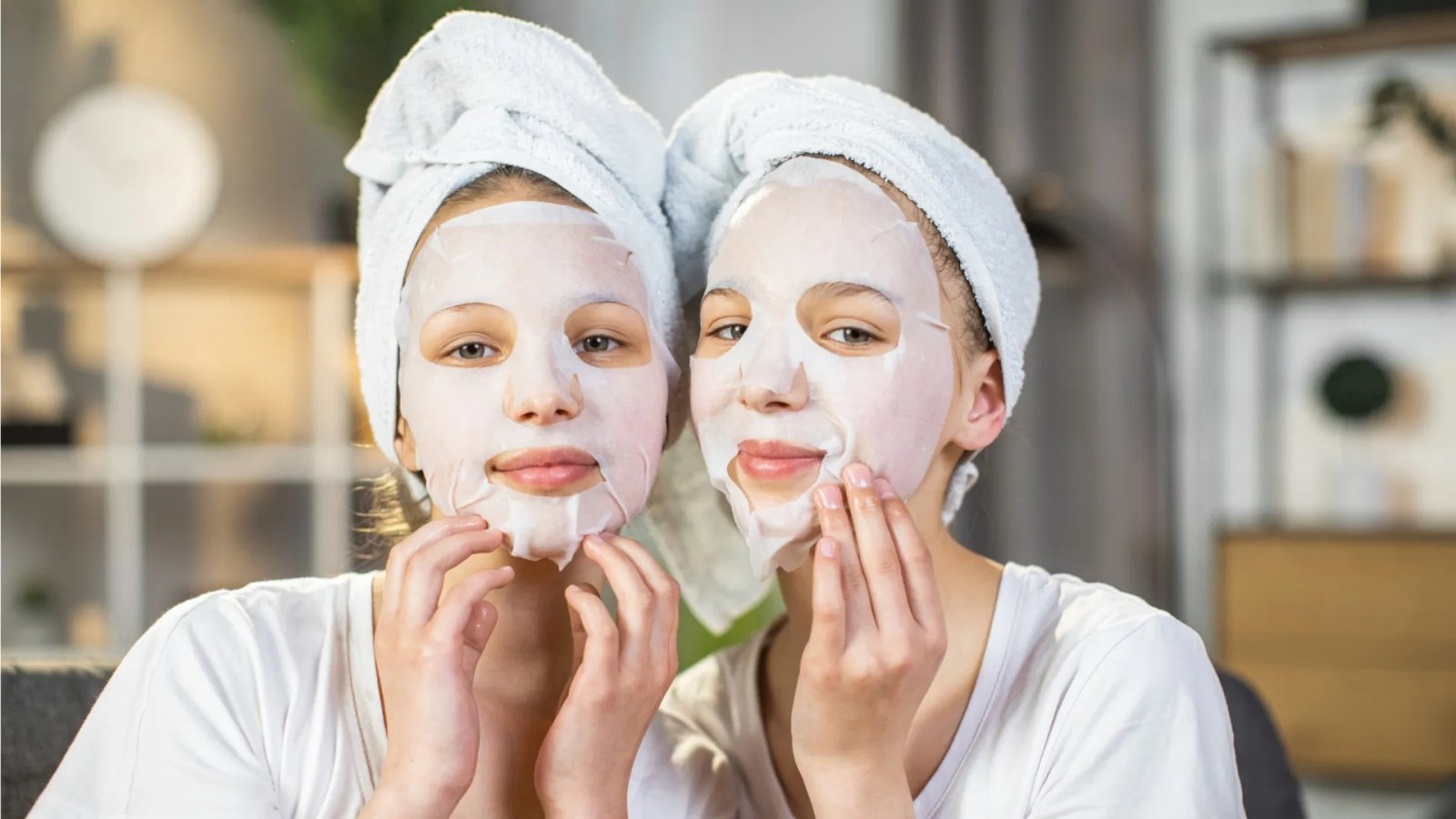

SKINCARE experts have urged kids to turn the other cheek to face products – as overuse can leave their delicate complexions damaged.
And they say a social media ban cannot come soon enough, as youngsters are constantly fed content that encourages them to slap on products.


Scottish professionals have spoken out after university medics in Budapest insisted less is more when it comes to youthful skin.
Freelance beauty editor Laura Pearson, 41, said: “Some of the things you hear children talk about online are scary. Children’s skin is very different to adult skin – it’s thinner and its protective barrier is still developing, so skincare isn’t something they should really be talking about and it certainly shouldn’t be a hobby.
“Unless they have a skin condition and have been prescribed a certain product or ingredient by a doctor or dermatologist, they should be using the bare minimum.”
Dermatologists and beauty specialists have been hitting out over the rise of so-called cosmeticorexia.
The term refers to an obsession with achieving perfect skin from a young age which leads to a fixation with using rafts of cosmetic products.
Tween influencers are huge on social media platforms, like TikTok, with many young girls posting GRWM (get ready with me) videos showing their multi-step face routines.
Glasgow-based skincare expert Laura said: “The social media ban for children under 16 couldn’t have come at a better time. That will undoubtedly limit children’s exposure to the concept of a ‘skincare routine’ and seeing all those colourful bottles that attract their attention.
“When I was a child and tween, the only exposure I had to beauty products was watching my mum use her products. You might have seen a rare kid with a lip balm in the playground, but that was the extent of it.
“Now, they’re watching child YouTubers and TikTokers tell them they need all these different products, and brands are designing packaging to be deliberately appealing to children and early teens. Even if you don’t let your child watch social media, children strive to fit in.
“Aside from the moral fact that they shouldn’t be concerned with their appearance at that age, the products they are craving are not suitable for children’s skin.”
And Aileen Smith, 58, founder of Kirkcaldy-based skincare firm Arganorganics, agrees that so-called ‘skinfluencers’ are making the situation worse.
She said: “Social media promotes an idealised version of beauty and youth and today’s teens have grown up with those cultural pressures. The increasing popularity of TikTok has only enhanced the pressures to embrace the pursuit of perfect ‘glass skin’.
“What I have personally found disturbing is reports of five-year-olds having beauty birthday parties with goody bags full of anti-ageing skincare and make-up. The window of innocence of youth is getting narrower.”
Research from 2024 showed that Gen Alpha – those born after 2010 – were behind a 49 per cent growth in skincare sales in America.
Meanwhile, a study for Sky News found in the space of a year, there was a 23 per cent rise in 11 to 16-year-old girls saying they thought they had fine lines and wrinkles.
The worry is that young girls will use products that are too strong for their young skin – and end up with long-term consequences.
Italian dermatologist and academic Prof Giovanni Damiani, who co-authored research on cosmeticorexia, has reported an unprecedented rise in cases of irritant and allergic contact dermatitis among children aged eight to 16 years old, caused directly by adult anti-aging formulations.
Natural is best
WHILE youngsters should avoid harsh products, there are some skincare staples that can be used on youthful skin.
Laura says: “It’s fine to use a gentle, basic, fragrance-free cleanser from the likes of CeraVe or Cetaphil, an SPF for when they are outside and, in some cases, a basic, fragrance-free moisturiser with barrier-supportive ceramides if they have visibly dry skin. Nothing else.
“All active ingredients should be avoided – for example, never use acids, retinols, vitamin C or fragranced products. Instead, look for barrier supporting ceramides, emollients, like shea butter and jojoba oil, and hydrators, like glycerin and squalane.”
Meanwhile, Aileen added: “Teen skincare regimes should be focussed around a natural and gentle routine that establishes healthy patterns for life. I would recommend a gentle cleanser without Sodium Lauryl Sulfate, parabens and artificial fragrances combined with a nourishing yet light moisturiser and mineral sunscreen with SPF 50.
“At Arganorganics we have many young customers who have come to us for help in treating blemished skin naturally. Our anti redness + range is effective in targeting teenage acne and healing scarring, letting new skin tissue regenerate.
“Unlike most acne products aimed at the teen market which strip the skin of natural oils, our hero ingredients organic sea buckthorn CO2 extract and organic rosehip CO2 extract work in tandem to fight inflammation, kill bacteria and aid tissue repair from acne scarring.”
Laura said: “Children’s skin is still developing a protective skin barrier, it loses moisture faster and it is so much more sensitive to things like fragrance and active ingredients. Misusing skincare as a child and young teen can cause serious damage to their skin – damage that can cause them real problems for many years to come.
“Any interference with that natural process can cause them endless amounts of problems later on – such as permanent skin sensitivities, skin conditions like eczema, extreme dryness, and breakouts/acne.
“I would also argue that there can be permanent damage to children’s mental health by making them overly concerned with their appearance, and increased comparison of themselves to others.”
And Aileen added: “Younger skin is thinner and more prone to irritation. For children and teens less is very definitely more in terms of skincare. Using too many different products with natural actives can cause those active ingredients to compete with each other rather than complement each other, irritating young skin. A lot of products aimed at the adult market are simply not suitable for teens’ delicate skin.
“Ingredients to avoid include retinol and retinoids which can cause redness and irritation. Similarly any product that contains alcohol can degrade the protective skin barrier and cause skin sensitisation and dryness. Artificial fragrances can cause irritation for both adults and youngsters and if the ingredient list says ‘parfum’ then skip that product.
“Perhaps the worst offenders in terms of unsuitable ingredients for teen skin are acid and chemical peels. I’m personally not a big fan of peels for adults as they cause extreme redness and with younger people they are just too harsh.”