

Blog
Here Is How To Optimise Your Skincare For Your Skin Type

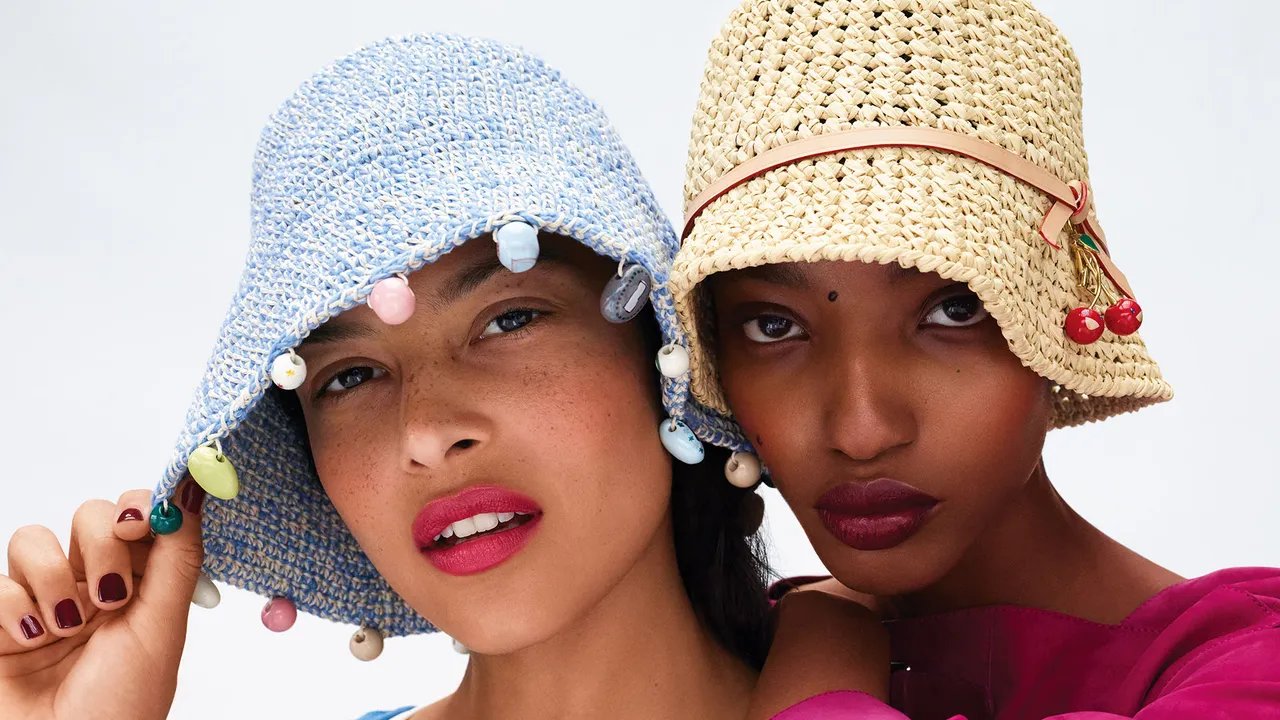
It’s easy to get swept up in the latest skincare trends. A quick scroll through TikTok, a convincing before-and-after, and before you know it, you’ve added the product to your basket in the hopes of achieving the very same transformation. But skincare isn’t one-size-fits-all. Your skin may respond very differently, because no two complexions are alike. Finding the right skincare for your skin type is the key to revolutionising your skincare routine.
Featured in this article

Elemis Pro-Collagen Green Fig Cleansing Balm

Beauty Of Joseon Beauty of Joseon Relief Sun

Medik8 Total Moisture Daily Facial Cream 50ml
Think of your skin as having its own fingerprint. Internal factors like genetics, hormones and age all play a role, as do external influences such as environment, stress and nutrition. That’s why understanding your skin type is essential before investing in new skincare products – otherwise, you risk irritation, breakouts, or worsening the very concerns you’re trying to fix.
The first step is distinguishing between skin type and skin condition. Skin type is your baseline – how naturally oily or dry it is. As aesthetic doctor Dr Wassim Taktouk explains, “It will be mostly genetic and generally stable throughout life, although factors such as hormones or age can influence it.” Skin condition, on the other hand, can fluctuate with the seasons, stress levels, hormones and even the products you use.
To identify your skin type, Dr Taktouk suggests a simple approach: “Cleanse your face with a gentle cleanser, then wait at least an hour before assessing it. If it is shiny, it is likely oily. If it is tight or rough without any shine, it is likely dry.”
Lifestyle factors can change how your skin behaves. As we age, “sebum production naturally declines,” says Dr Taktouk, often leading to drier skin. Climate also plays a role, he adds – “When colder with lower humidity and central heating, skin may feel tighter, drier and can become more sensitive, while conversely in hot and humid weather, the skin produces more surface oil and sweat which can make the skin oilier.” Hormonal changes are another key factor: during puberty, but also “during menstrual cycles, hormonal fluctuations can cause either temporary oiliness or increased dryness and sensitivity.” And finally, and unsurprisingly, stress is another major contributor as “heightened levels of cortisol can increase oil production and cause more breakouts. It can also weaken the skin barrier, leading to inflammatory conditions. When the skin is in this state, skincare products may not be optimally absorbed.”